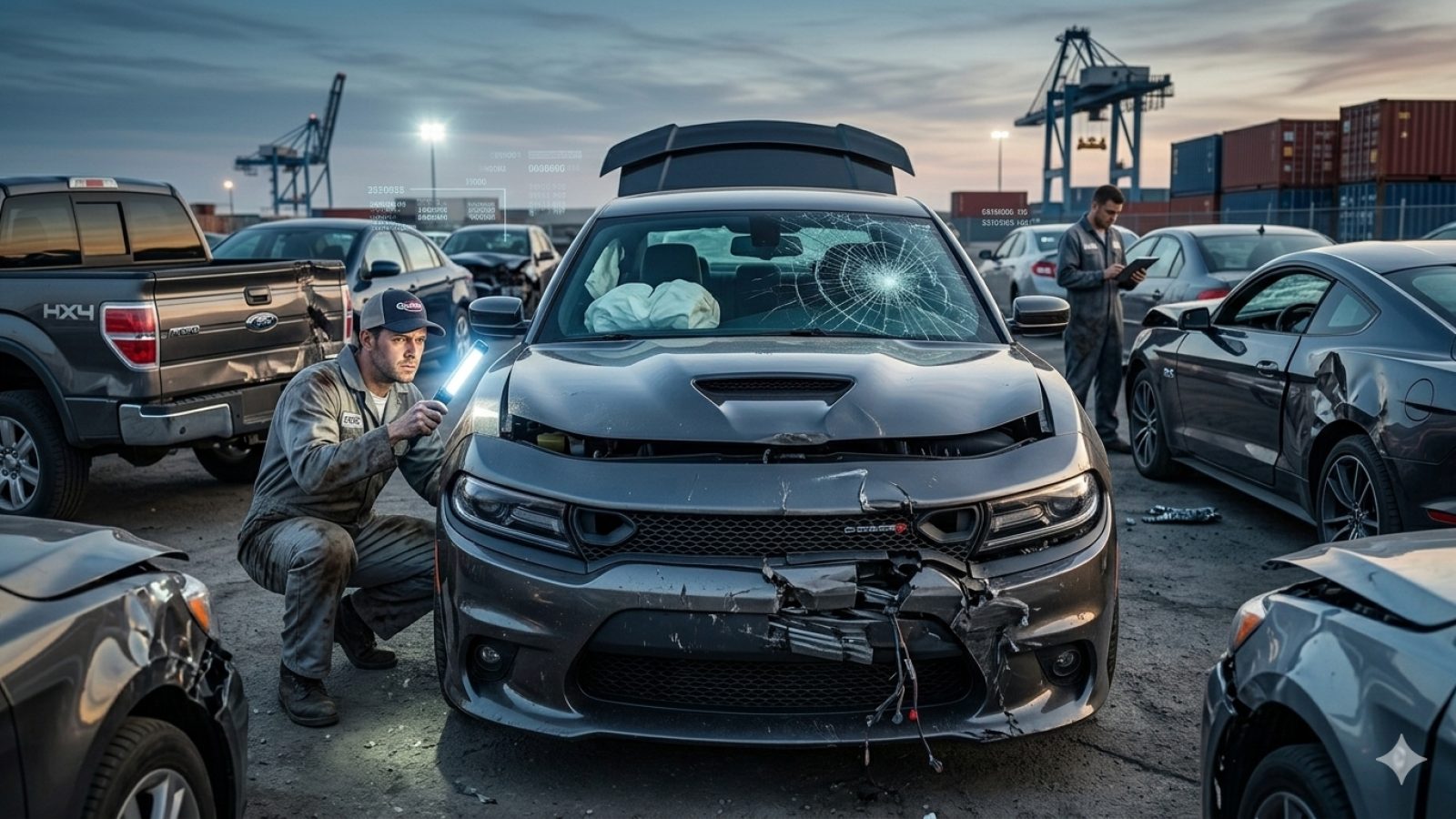
Buying a salvage vehicle can be an amazing deal - or a financial disaster. The difference usually comes down to avoiding a few classic mistakes that trap first-time and even experienced buyers.
Mistake 1: Not Inspecting Photos Carefully
Auction photos are often your only window into the vehicle's condition. Many buyers glance at a few exterior shots and miss critical details in the underside, engine bay, or interior. Always zoom in, check every available angle, and look specifically for rust, frame damage, airbag deployment, and water lines.
Mistake 2: Ignoring the Primary and Secondary Damage Reports
Auctions list a "primary damage" (e.g., front-end collision) and sometimes "secondary damage" (e.g., water damage). Buyers often focus only on the primary damage and miss the secondary - which can be far more serious and expensive to repair.
Mistake 3: Underestimating Repair Costs
That $3,000 BMW looks like a steal until you realize the parts alone cost $8,000. Research replacement part prices before bidding, especially for luxury and European vehicles. Also factor in labor, towing, storage, and transportation from the auction yard.
Mistake 4: Not Checking the VIN History
Surprisingly common: buyers bid on vehicles without running a VIN check first. The auction listing shows one photo and a damage description, but the full history - previous accidents, odometer records, title brands - is only visible through a VIN lookup. Skipping this step is like buying a house without an inspection.
Mistake 5: Getting Caught Up in Bidding Wars
Auction excitement can push buyers well past their budget. Set a maximum bid before the auction starts and stick to it - even if you lose the car. There's always another auction tomorrow.
Final Advice
Successful salvage buyers are methodical, patient, and well-researched. They know their market, understand repair costs, and never skip the VIN check. Use tools like BidCheck.info to access auction history for free and make informed decisions.