Infiniti Cars from USA Auctions
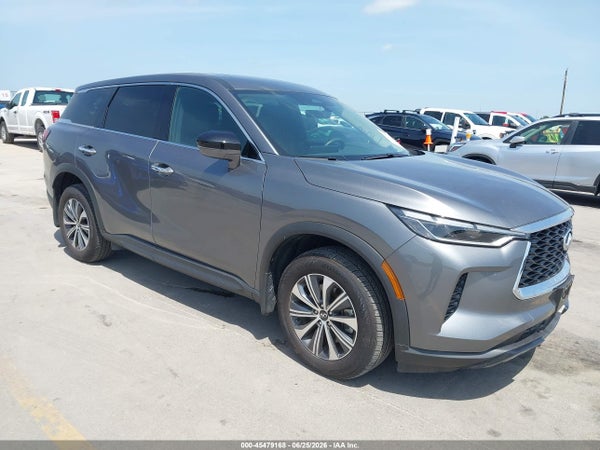
Among premium brands available on US salvage auctions, Infiniti holds a unique position. As Nissan’s luxury division, created specifically for the North American market, it has competed with brands such as Lexus, Acura, and Cadillac since 1989. European buyers are only beginning to recognize Infiniti’s true potential, and platforms like Copart and IAAI provide the perfect entry point into this underrated premium segment. The Infiniti Q50, a sport sedan powered by the legendary VQ-series V6 engine—and in newer versions, a turbocharged 2.0L engine developed with Mercedes-Benz—offers performance and comfort comparable to the BMW 3 Series or Mercedes-Benz C-Class, often at significantly lower auction prices. The Infiniti QX60, a three-row SUV built on a platform shared with the Nissan Pathfinder, is an ideal choice for families seeking luxury and space. Its interior, finished with premium leather and wood, rivals German competitors, while auction prices can be up to three times lower than retail value. Buyers interested in Japanese premium vehicles should also explore Nissan cars from US auctions, as many mechanical components are shared between the two brands, simplifying maintenance and reducing ownership costs in Europe.
Infiniti Car Auctions in the USA
The Infiniti auction market on platforms such as Copart and IAAI has several distinctive characteristics compared to mass-market brands. Most notably, the overall volume of available vehicles is lower due to Infiniti’s niche position in the US market. However, this limited supply can work in favor of buyers, as competition among bidders is often less intense, resulting in more attractive final prices. The Infiniti Q50 equipped with a 3.0L twin-turbo V6 engine producing 300 or 400 horsepower is a prime example—on the European secondary market, these vehicles can cost several times more than their US auction counterparts, even after accounting for repair and import expenses. The Infiniti QX50, featuring the innovative VC-Turbo variable compression engine, is a technological highlight that appeals to engineering-focused buyers. Meanwhile, the Infiniti QX80, a full-size luxury SUV based on the Nissan Patrol platform, offers imposing size and premium presence. When evaluating damage on Infiniti vehicles, it is essential to consider the cost of spare parts, which can be higher than for mass-market brands. Body panels, lighting, and interior components may need to be sourced directly from the US, although the availability of aftermarket parts in Europe continues to grow. Comparing Infiniti with other premium brands available at auctions can be insightful—particularly when evaluating Lexus vehicles from US auctions, as both Japanese luxury brands follow different philosophies in balancing comfort, performance, and reliability.
Infiniti Auction History on Copart and IAAI
Infiniti’s presence on US salvage auctions dates back to the early days of platforms like Copart. As early as the late 1990s, models such as the Infiniti I30 and Infiniti QX4 were regularly listed, although interest from European importers at the time was minimal. A turning point came with the introduction of the G35 and later the G37, which gained a cult following thanks to their exceptional VQ35 and VQ37 engines. These naturally aspirated V6 units are widely regarded as some of the best engines ever produced and have repeatedly earned recognition on Ward’s 10 Best Engines list. Well-maintained Infiniti G37 models with rear-wheel or all-wheel drive can still be found at auctions today, offering long-term reliability after proper body repairs. The transition to Infiniti’s new naming convention—using Q and QX prefixes—initially created some confusion among buyers, but the system is now widely recognized. Today, Infiniti is undergoing a global brand repositioning, which may influence the future availability of certain models on auction platforms. For European buyers seeking an alternative to German premium brands from US auctions, BMW vehicles available on Copart and IAAI remain a strong point of comparison, highlighting the differences between Japanese and European approaches to luxury. Importing an Infiniti into Europe can be slightly more complex than importing mass-market vehicles due to individual homologation requirements, but growing expertise among import specialists is making this process increasingly streamlined.